We read the source. All of it.
Most studios are asked to read the brief, a one-page summary written by the comms department. We ask for the paper, the catalogue, the testimony, the grant proposal. We mark what's load-bearing. We ask the scholar what we're missing.
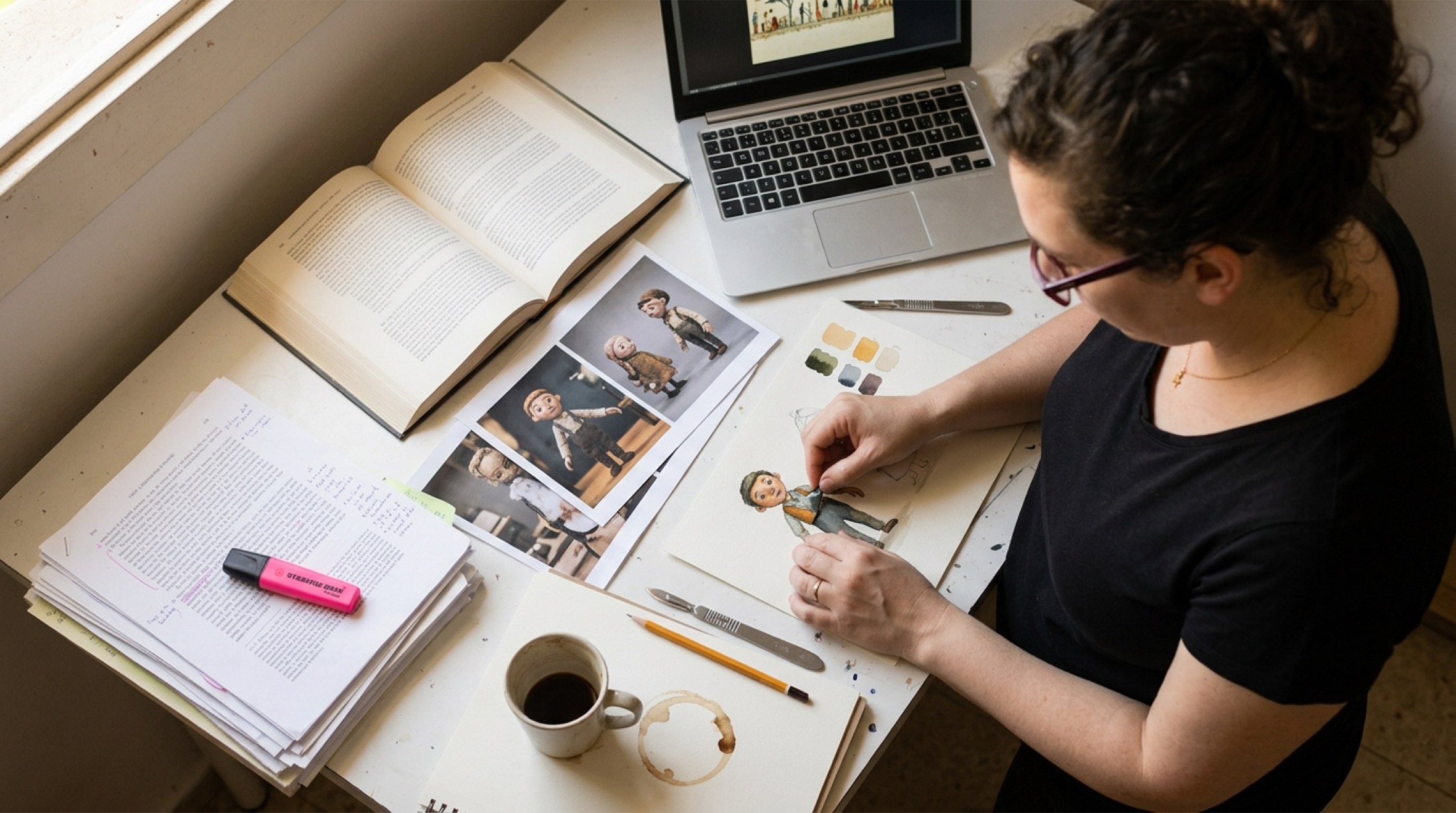
We figure out what the film cannot say.
A four-minute film carries about 500 words of voiceover; a 40-page paper has 12,000. The compression is brutal. Our first decision on every project is what the film is for, not what it covers. One audience, one purpose. We defend that decision against scope creep for the rest of the project.
We write the script with a scholar, not after them.
Scholars are extraordinarily good at script collaboration when you ask them properly, about structure first, voiceover second. We send a structural outline before we draft a line. We do two or three rounds before storyboarding. The script doesn't lock until the scholar says it does.
We design from the source, not from a moodboard.
The visual language comes from the material itself, its archive, its register, its texture. We don't pick a house style and apply it; we let the subject decide what the film looks like. This is why our work doesn't all look like our other work.
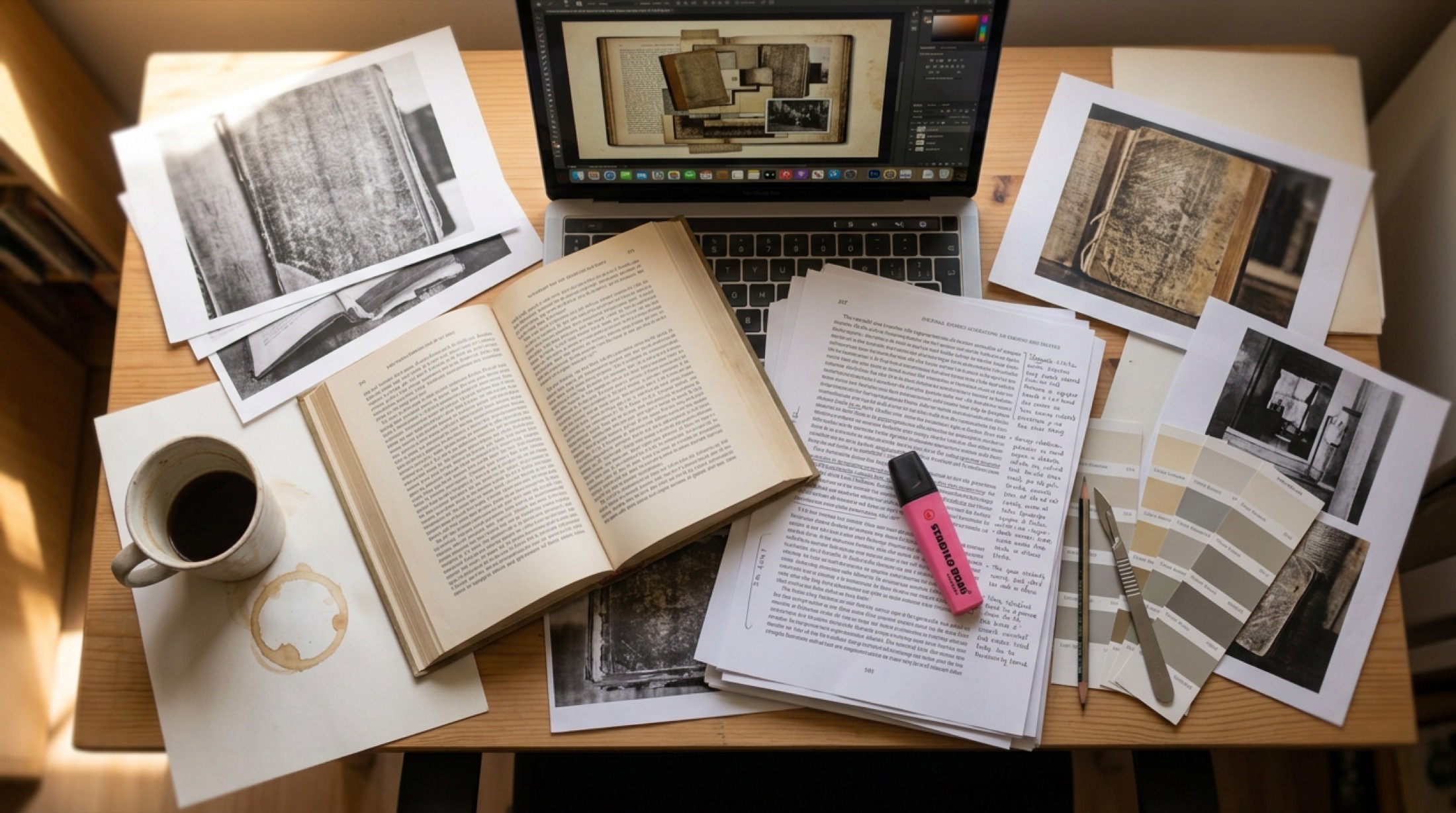
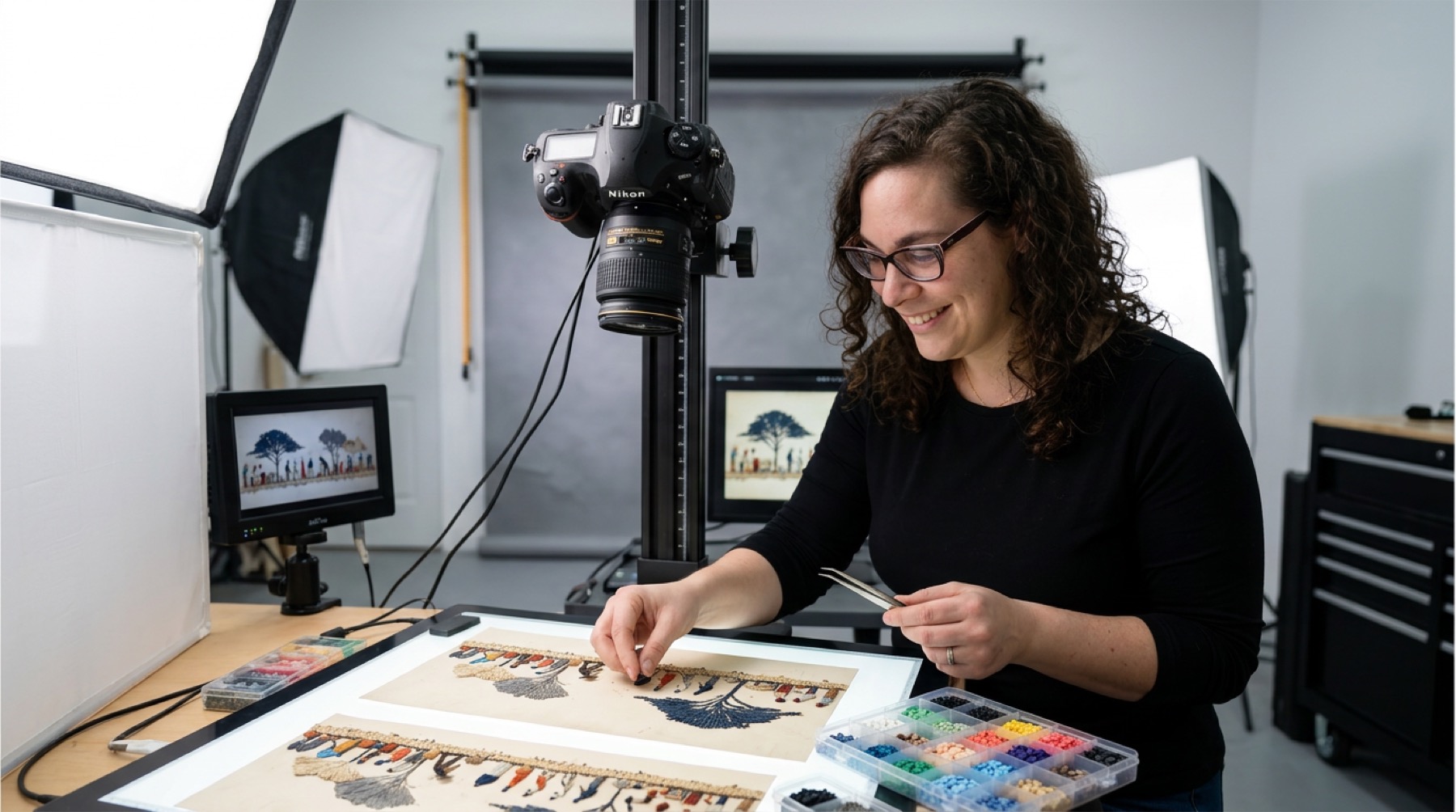
We question everything, and then we ask again.
Unlike most studios, we ask for the intent behind the material, and then we ask again. We make nothing until we are sure what it was meant to say, what the researcher meant. There is a great deal of back and forth before anything is drawn.
We score every film ourselves.
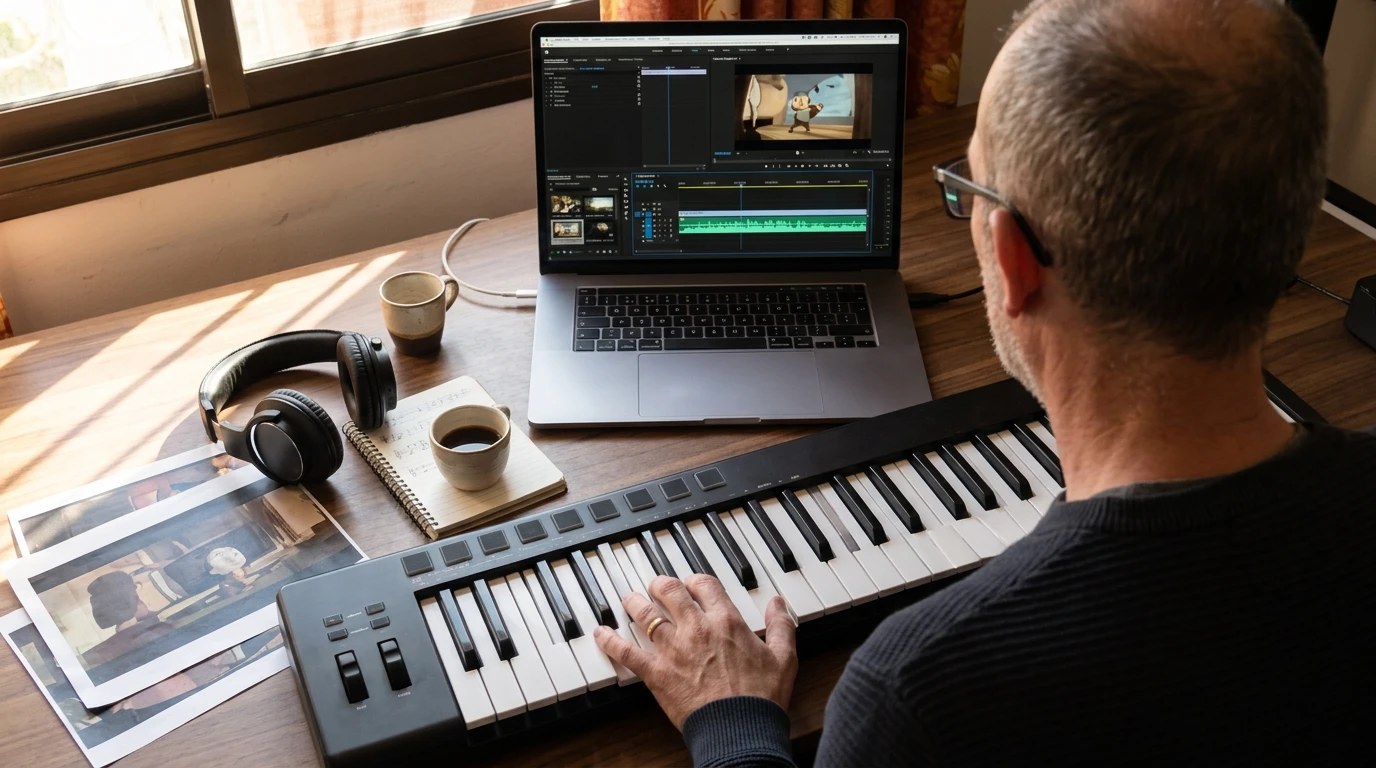
Original music, written for the subject by our in-house composer Eitan Shefer, on every project. Never library. The score is the part of the film that the audience cannot quite explain but always feels.
The CEO is in every script review on every project.
This is the part we cannot scale and won't try to. Our work travels in the rooms it travels in because of how closely the studio is involved in every script. That doesn't change.